Quote Template for Material Price Increases
Use this quote template for material price increases to handle supplier cost spikes without losing money or losing the job.
March 30, 2026 · 6 min read · LightWork Team
Overview
You gave a price in January. Lumber went up. Copper went up. PVC went up. Now the job starts in March and the materials cost 20% more than when you quoted it. What do you do?
Build your implementation path with AI estimating workflows, pricing options, and guided setup.
The Core Answer
This is a problem every contractor runs into. Here is how to handle it without losing money or the job.
Always put a validity window on your estimates. 7-14 days maximum.
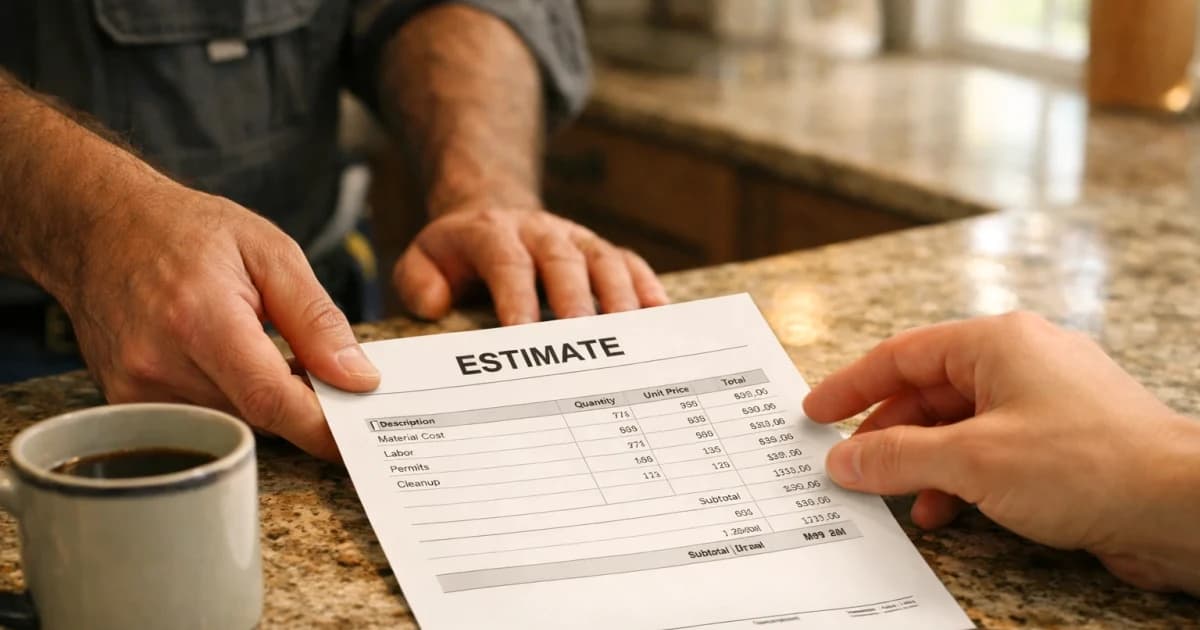
If materials jumped after you sent the estimate, tell the customer directly before you start. Do not absorb the increase silently. You quoted a price based on costs at the time. When those costs change, the price changes too. That is not a surprise to any reasonable customer, as long as you say something before the job starts.
What to say: "Copper went up 18% since I sent that estimate. The new number is $X. Want me to move forward at that price?" Direct. Short. Honest. Most customers will say yes if you explain it calmly.
When It Gets More Complicated
1. The customer signed the estimate before prices went up. If your estimate had no validity clause and the customer accepted it in writing, you have a harder conversation. You can still explain the situation and ask if they want to adjust. Some will. Some will hold you to the original number. Put a validity clause on every estimate going forward.
2. The job is 60% done and a material price spikes mid-project. Flag it immediately. Do not wait until the invoice. "We are into the project and material costs have moved. Here is where we are and here is the adjusted number to finish." Surprises at the end cause disputes. Communication during the job prevents them.
3. The increase is small. Less than 5% difference. Eat it on a small job if it keeps the relationship. Call it out on anything over $100 change. Your call.
How to Actually Do It
1. Add a validity clause to every estimate you send today. "This estimate is valid for 14 days. Material prices are subject to change after that date."
2. Before starting any job, check your original material pricing against current supplier prices. Takes 5 minutes.
3. If prices moved significantly (more than 5-10%), contact the customer before you start. Phone call is better than text for this conversation.
4. Send a short updated estimate if the number changes. Even a simple text with the new total works. Get a reply so you have something in writing.
5. If the customer pushes back, show them the supplier invoice or a screenshot of current pricing. You are not making this up. The costs changed.
Frequently Asked Questions
How do I tell a customer their price went up since the estimate?
Be direct and do it before the job starts. Something like: "Hey, I wanted to reach out before we get started. Material costs have gone up since I sent that estimate. The updated number is $X. Let me know if you want to move forward." Short. Factual. No apology for something you did not control. Most customers who want the job done will accept this.
How long should a contractor estimate be valid?
7-14 days is the standard. If you are using materials that move fast, like copper, lumber, or PVC during high-demand seasons, use 7 days. Always put the expiration date on the estimate itself: "Valid through [date]." That protects you if a customer comes back 6 weeks later expecting the same price.
Can I charge more than my estimate if materials cost more?
Yes, as long as your estimate had a validity clause and you communicated the change before starting. If your estimate said "valid 14 days" and the customer waited 6 weeks to approve it, you can re-quote. If your estimate had no clause and the customer accepted quickly, the harder road is explaining the increase. That is why the validity clause matters on every single estimate.
Next Step
Pair this content with a live estimate form and response automation so intent turns into booked work.
Check out more of our stories



Stay updated
Keep up with the latest news and updates from LightWork. Follow us on social to get new strategy posts first.